Chap.2-12: Building a Second Brain for Seventeen Years of Practice
Building a Second Brain for Seventeen Years of Practice
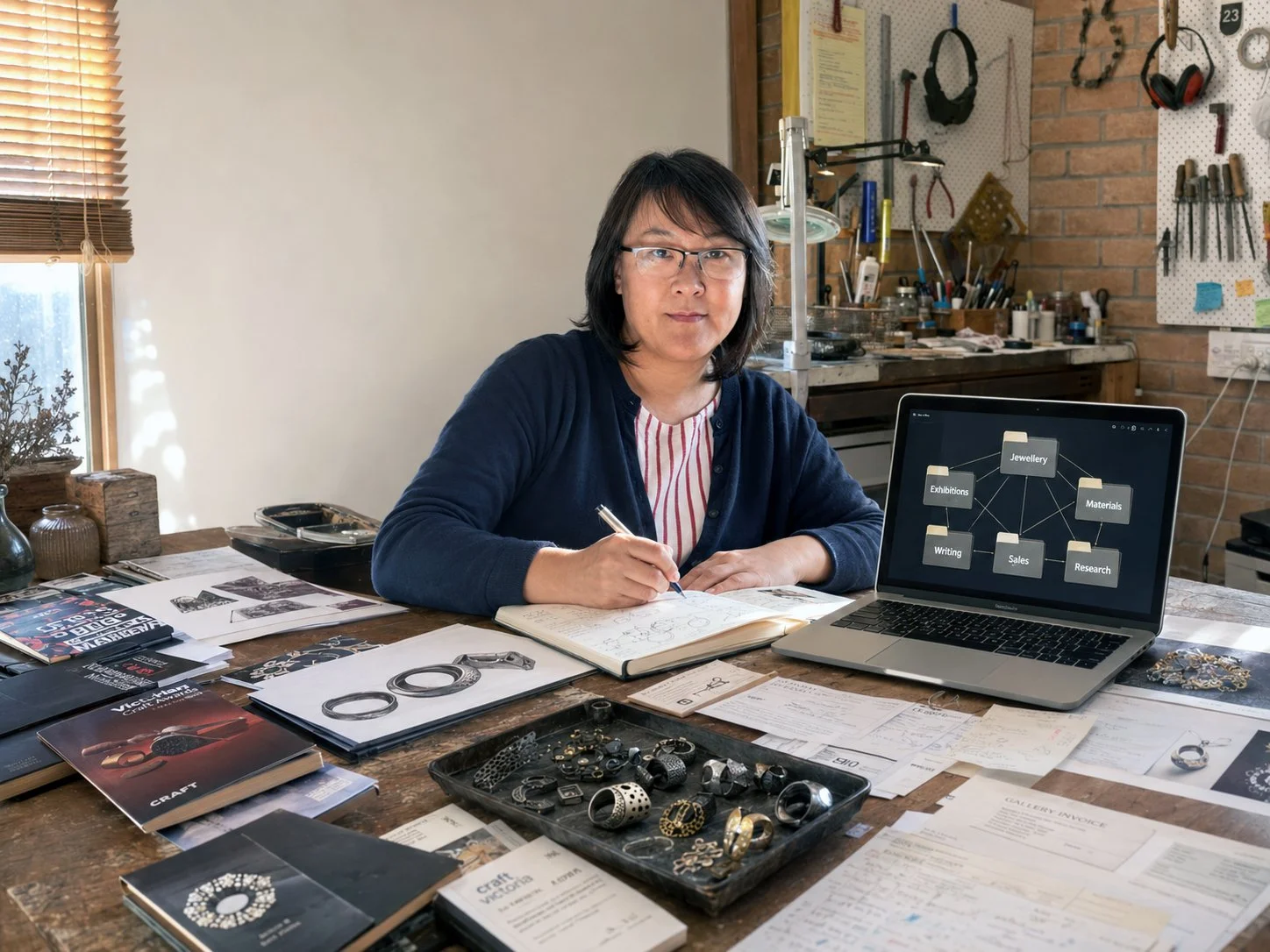
Much of this material for the last 17 years exists in separate folders, old computers, boxes and fragments of writing
One of the most meaningful ideas I have encountered through my AI learning is the concept of a “second brain”: a place where information, research, images, plans and ideas can be collected and connected.
This idea is particularly relevant to me because my jewellery practice now contains more than seventeen years of work.
Across those years, I have accumulated photographs, invoices, artist statements, exhibition applications, sales information, sketches, product details, press material and personal memories.
Much of this material exists in separate folders, old computers, boxes and fragments of writing. Until recently, I had not thought seriously about how all of these pieces might become a connected archive.
AI has helped me see that possibility.
Introducing My Practice to AI
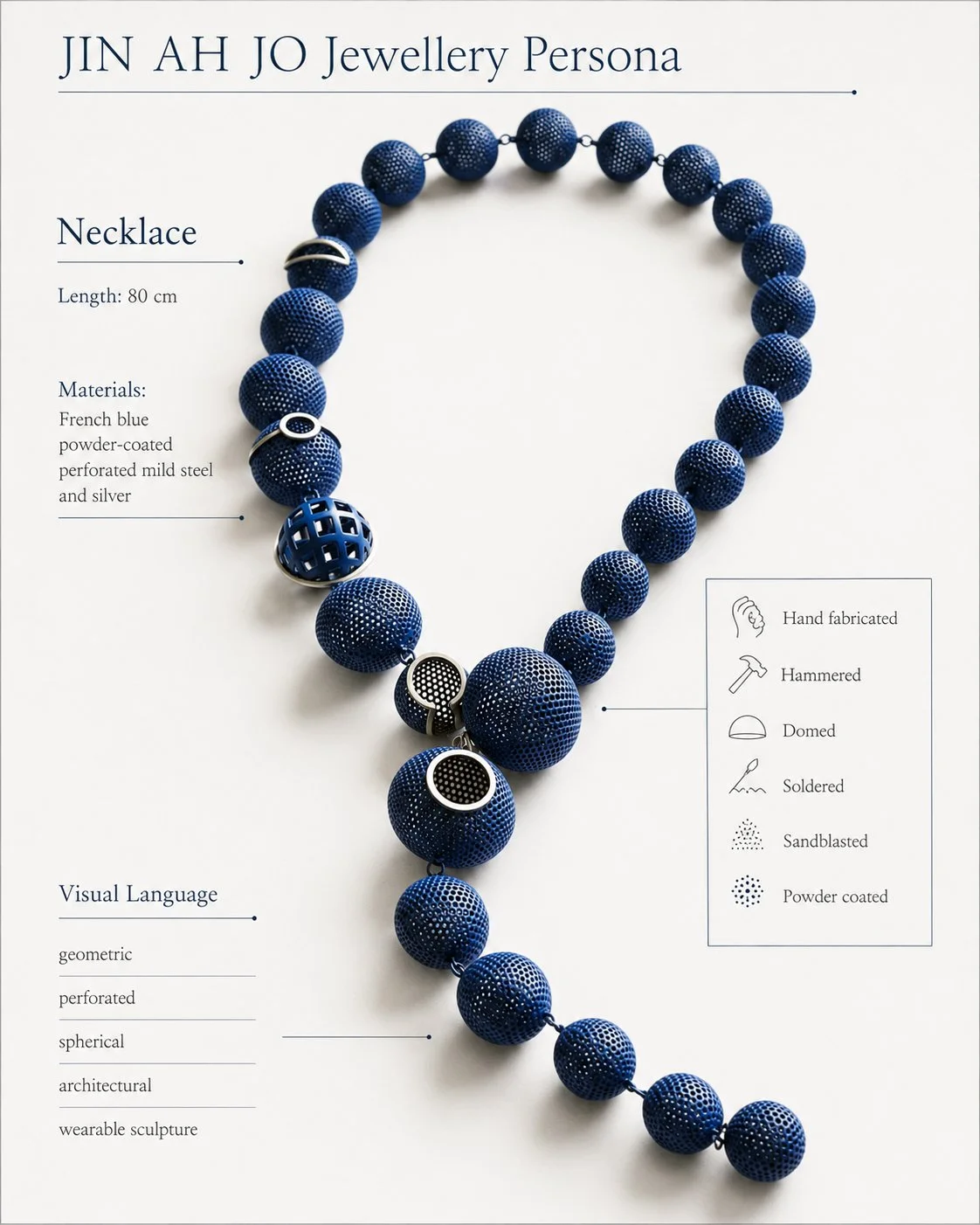
As an experiment, I began creating a Jin Ah Jo persona and a Jin Ah Jo Jewellery persona.
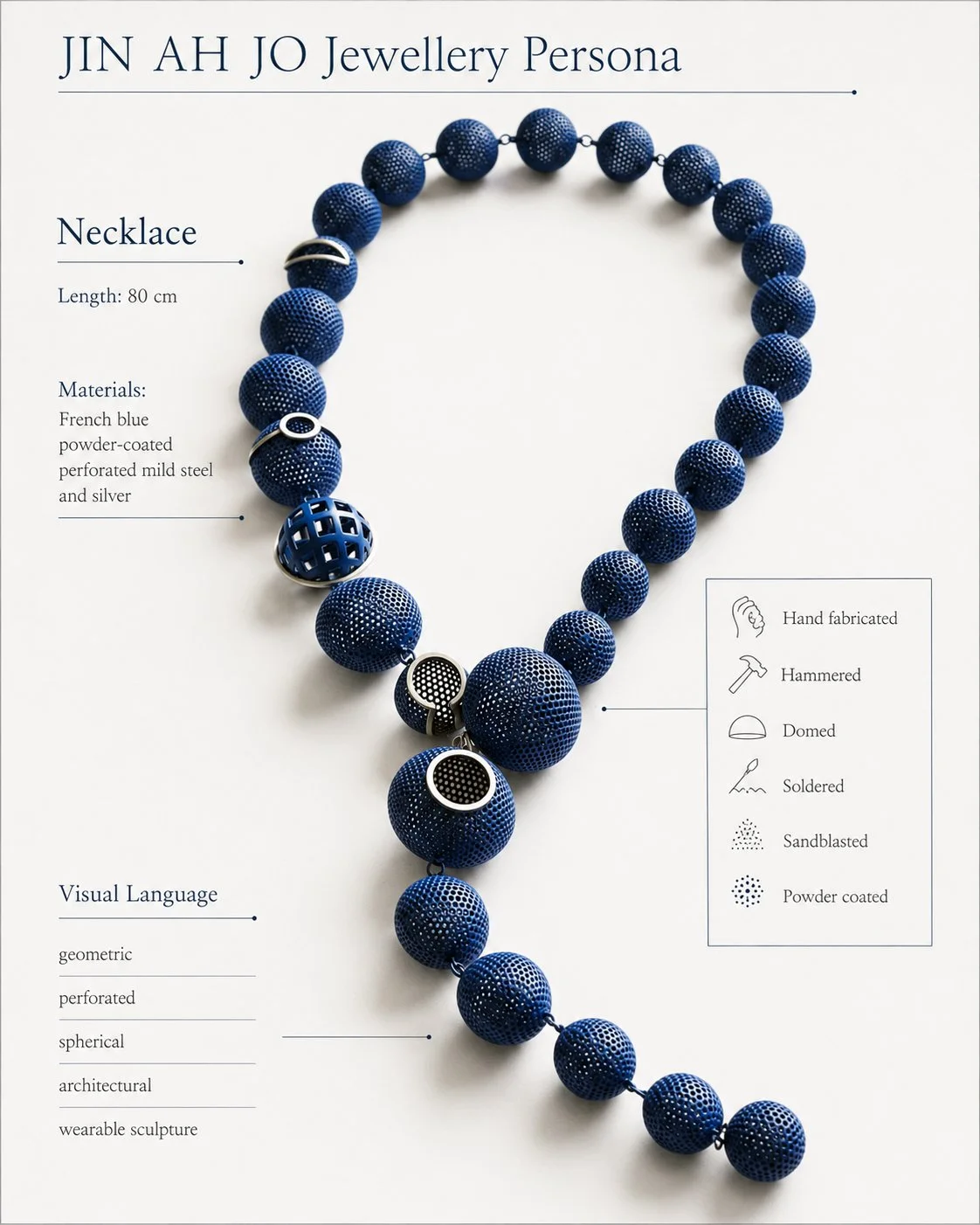
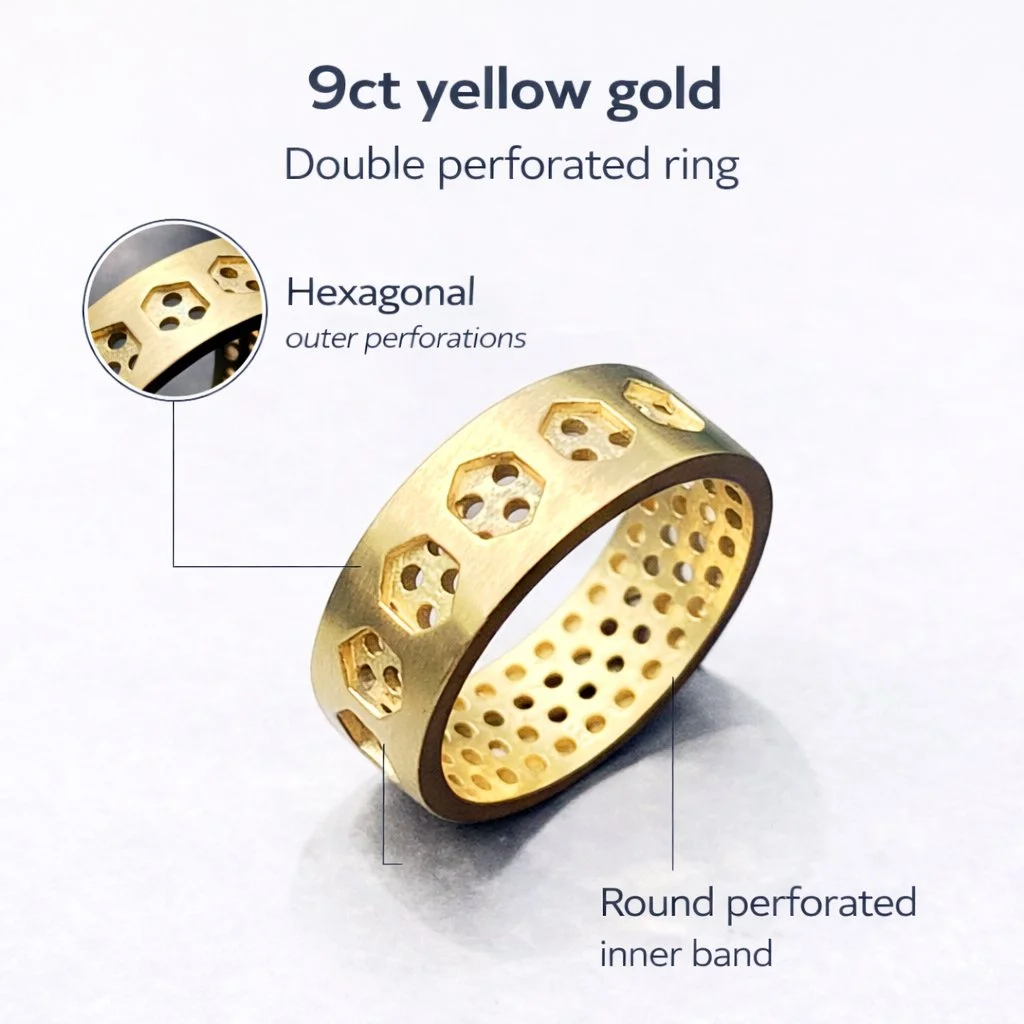
“Big Apple” (2015) : The hero piece when I participated in Loot ant Museum of Art and Design at NYC. It was sold on that opening night and I have finally put this image into JIN AH JO Jewellery Archive.
I collected information about my background, materials, techniques, exhibitions, values, recurring forms and visual language. It felt almost like formally introducing myself and my jewellery practice to AI.
However, the process was not only about teaching a machine who I am.
It also encouraged me to look at my own history more carefully.
When you have worked continuously for many years, it can be easy to focus only on what has not yet been achieved. You forget how much knowledge, labour and persistence are already contained within the practice.
Building these personas helped me recognise the journey more clearly: migrating to Australia, studying jewellery, establishing a studio, developing a distinctive material language and continuing to make work across many changes in life and business.
The archive began to feel less like a storage problem and more like a valuable part of my authorship.
Research With NotebookLM
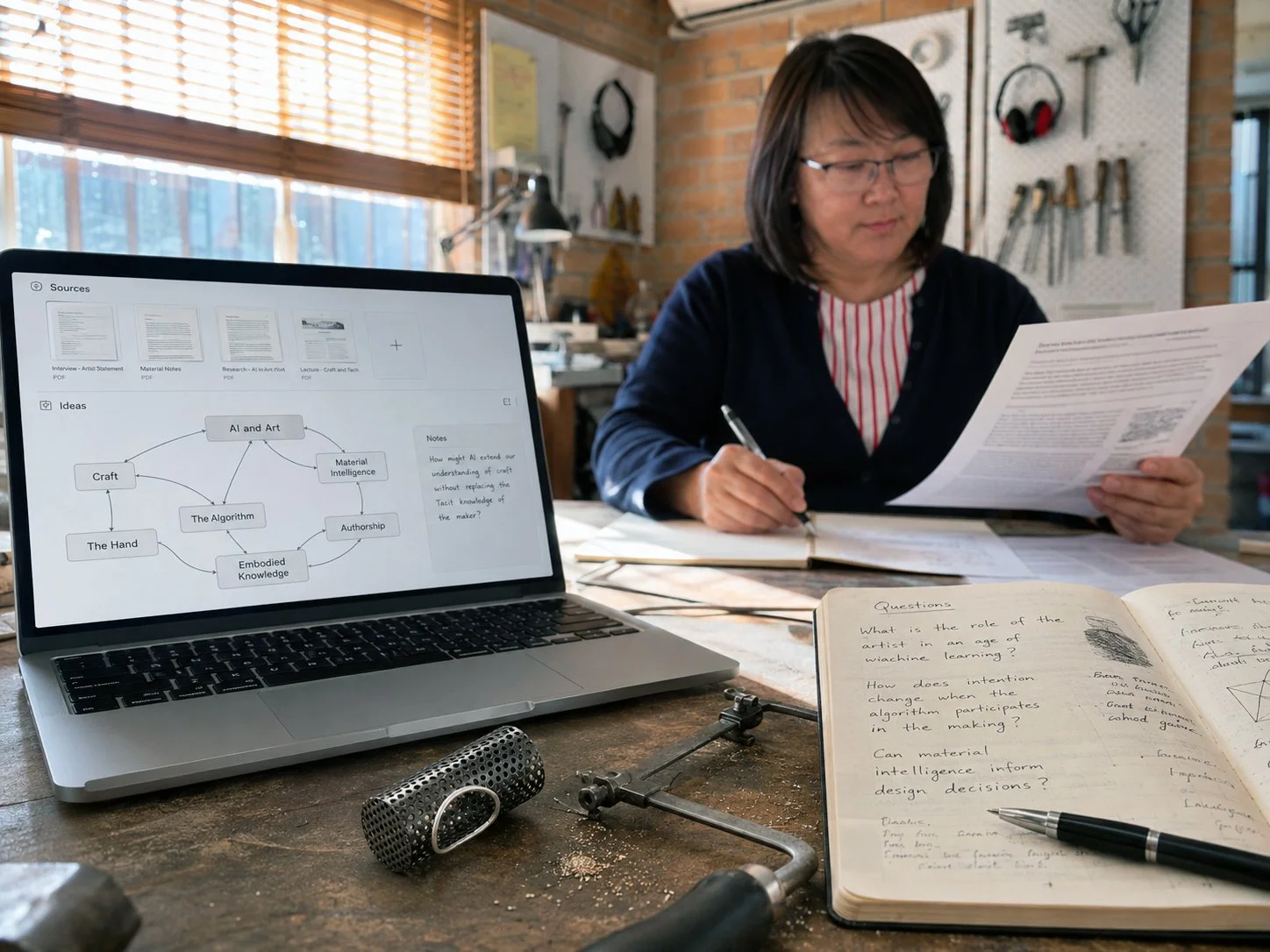
NotebookLM has also become an important part of my research process.
I have used it to begin investigating subjects such as AI and art, AI and craft, material intelligence and the relationship between the hand and the algorithm.
Instead of searching randomly across the internet, I can collect selected sources and ask questions within a focused group of documents. I can compare arguments, identify recurring ideas and begin organising material for future writing.
However, the tool does not remove the need for judgement.
I still need to decide which sources are reliable, which ideas are relevant to my project and what I genuinely believe.
AI can assist with organising knowledge, but it cannot decide the meaning of my practice for me.
An Archive That Can Continue Growing
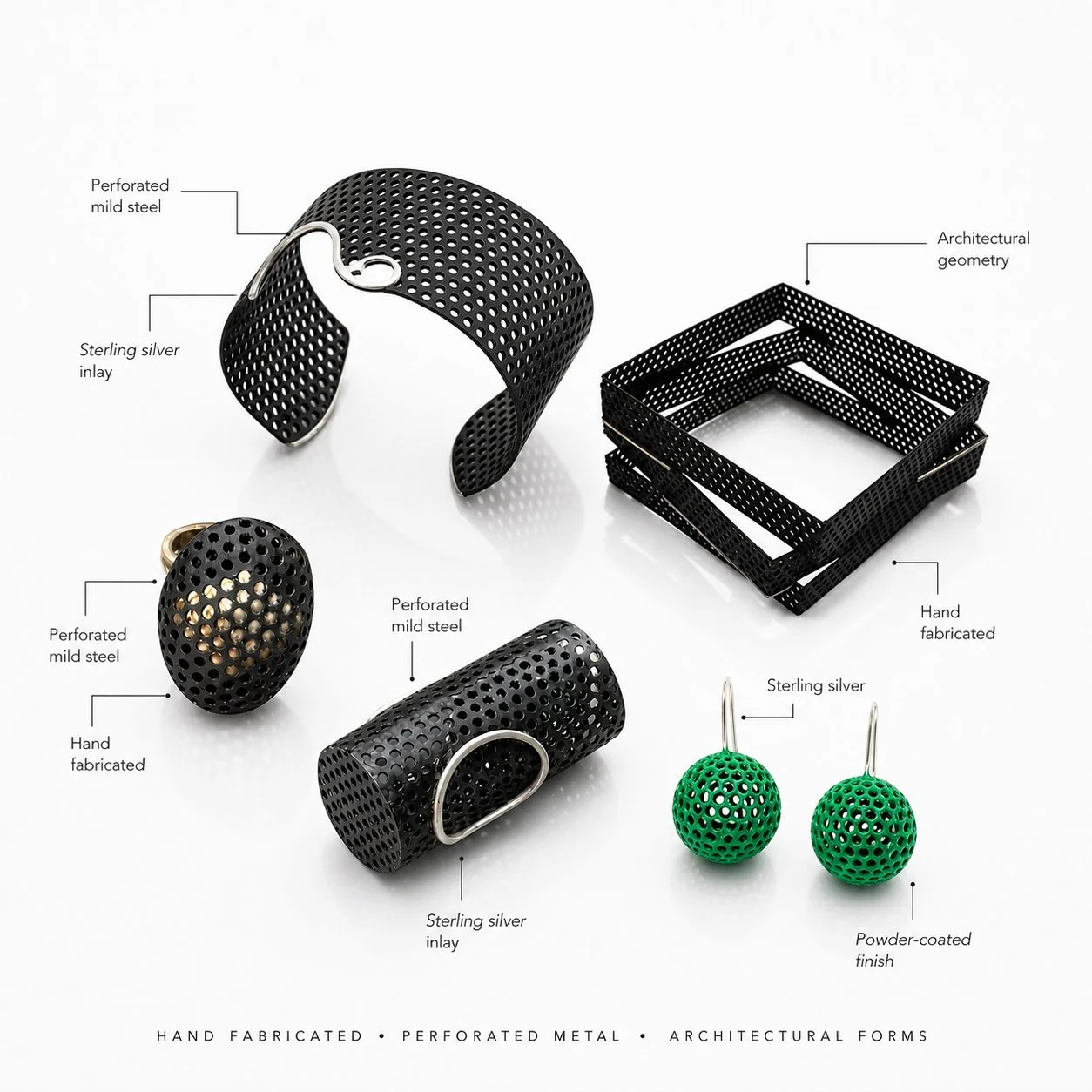
The idea of a second brain has changed how I think about documentation.
My archive is not only about preserving the past. It can also support future exhibitions, applications, writing, teaching, sales analysis and creative development.
It may help me notice patterns across seventeen years that were difficult to see while I was busy making one collection after another.
For an independent artist, this kind of organised memory can be powerful.
AI did not create the history of my practice, but it may help me bring its scattered fragments together.
In that sense, building a second brain is also a way of reclaiming and recognising the value of what I have already made.