Chap.1-9: What AI Cannot Understand Yet About Making
Chapter 1–9: What AI Cannot Understand Yet About Making
At first, I did not ask AI to design my jewellery.
Maybe once or twice, I asked out of curiosity. But most of the time, I was not asking AI to create new designs for me. I was asking it to read the jewellery I had already made.
That difference matters.
I had already made the earrings, rings, brooches, bracelets, and objects with my own hands. I knew how they were constructed: where the hook was, how the hoop worked, how the perforation continued around the surface, how the piece sat on the body, and why certain parts had to be made in a particular way.
But AI often could not read these things properly.
It could recognise a shiny surface, a dark background, or a jewellery form, but it did not always understand the specific knowledge inside the object. It misunderstood earring hooks and hoop mechanisms. It changed parts that should not be changed. Sometimes the image looked more polished, but the reality of the jewellery was lost.
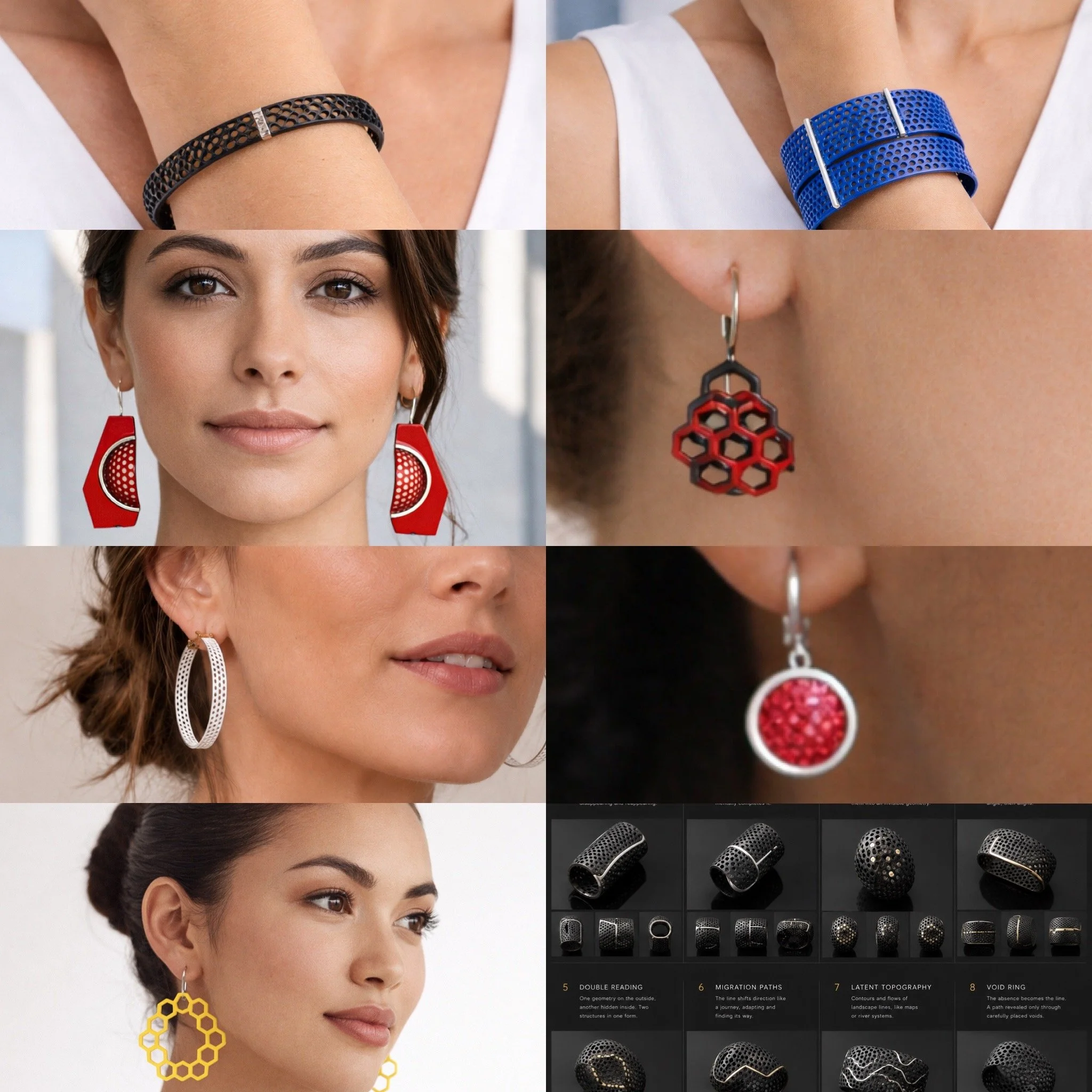
Wrong editing and design suggestions by AI
This was frustrating. I kept asking AI to read the design properly, but sometimes it simply could not. In the end, I gave up and moved on to the next image of jewellery I had already made.
Maybe this was not only AI’s problem. Maybe I also could not communicate with AI well enough through language. As an English second-language speaker, I already know some things are hard to explain. But even beyond English, jewellery itself is difficult to translate into words.
How do I explain the exact length of an earring hook?
How do I explain the way a hoop should open or hang?
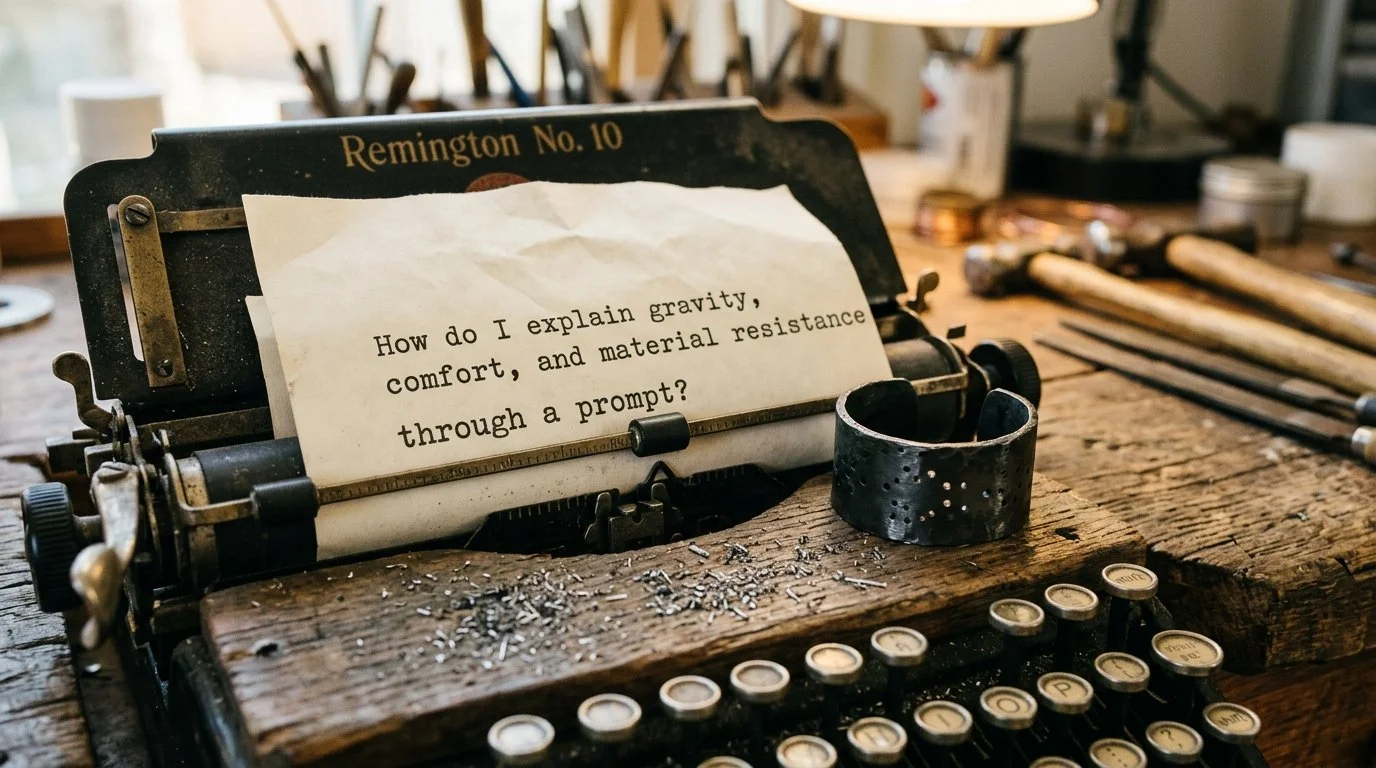
How do I explain gravity, comfort, balance, and material resistance through a prompt?
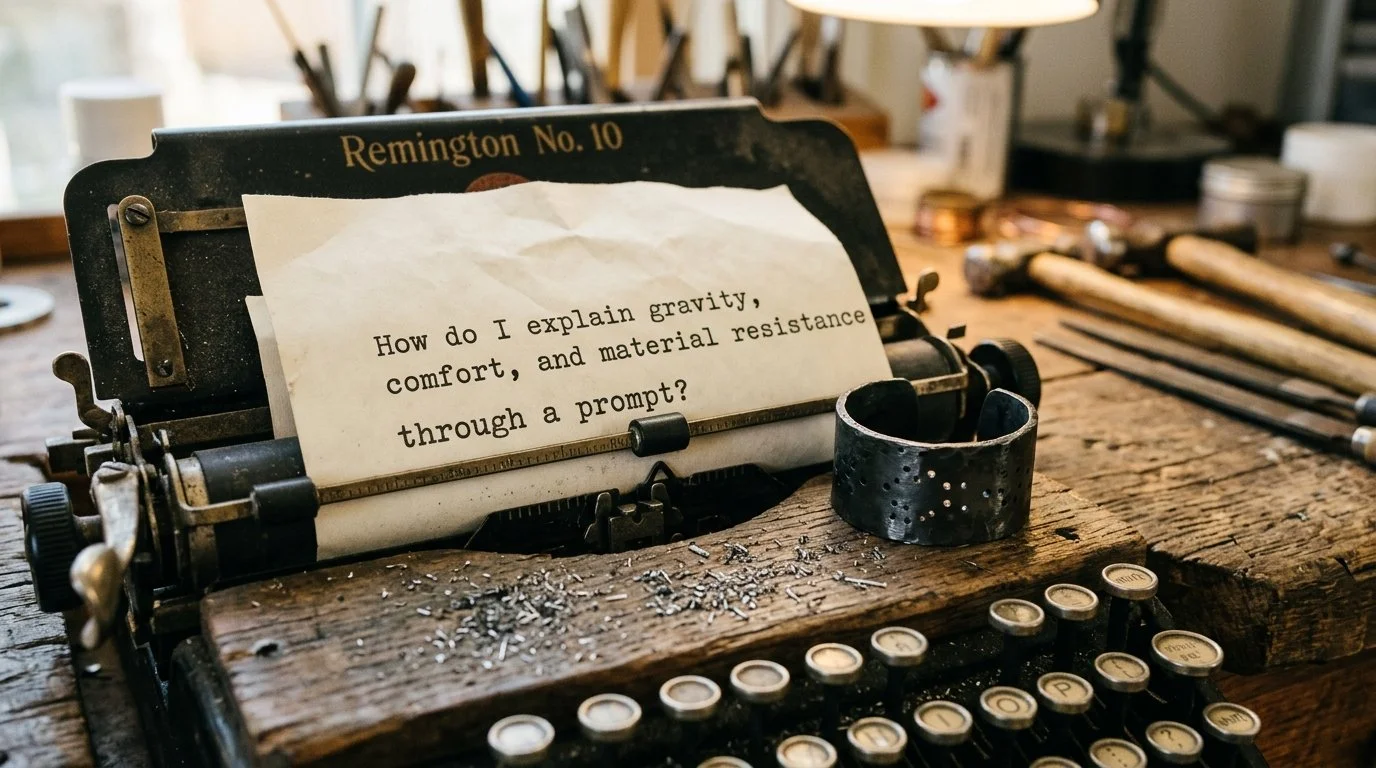
AI can work with images and language, but making is not only image and language. Making is also touch, weight, resistance, failure, correction, memory, and the body.
The process from designing to making is not simple or linear in my practice.
Sometimes a design comes first. I draw, imagine, plan, or make a visual decision before I begin. But other times, the design begins after I sit at the bench and start touching materials. A piece of perforated steel, a cut edge, a curved surface, a failed connection, or a small accident can lead me somewhere I did not expect.
In this way, making is not just the final step after designing. Making is also a way of thinking.
The bench often changes the design. The material interrupts the idea. The hand corrects what the eye imagined. Gravity, weight, balance, comfort, and construction all become part of the design process.
This is difficult to explain to AI because it is difficult to explain even in ordinary language. The process is delicate, slow, and sometimes uncertain. I do not always know exactly what I am making at the beginning. Sometimes I only understand the work after making several wrong versions, trying different parts, or deciding what should be removed.
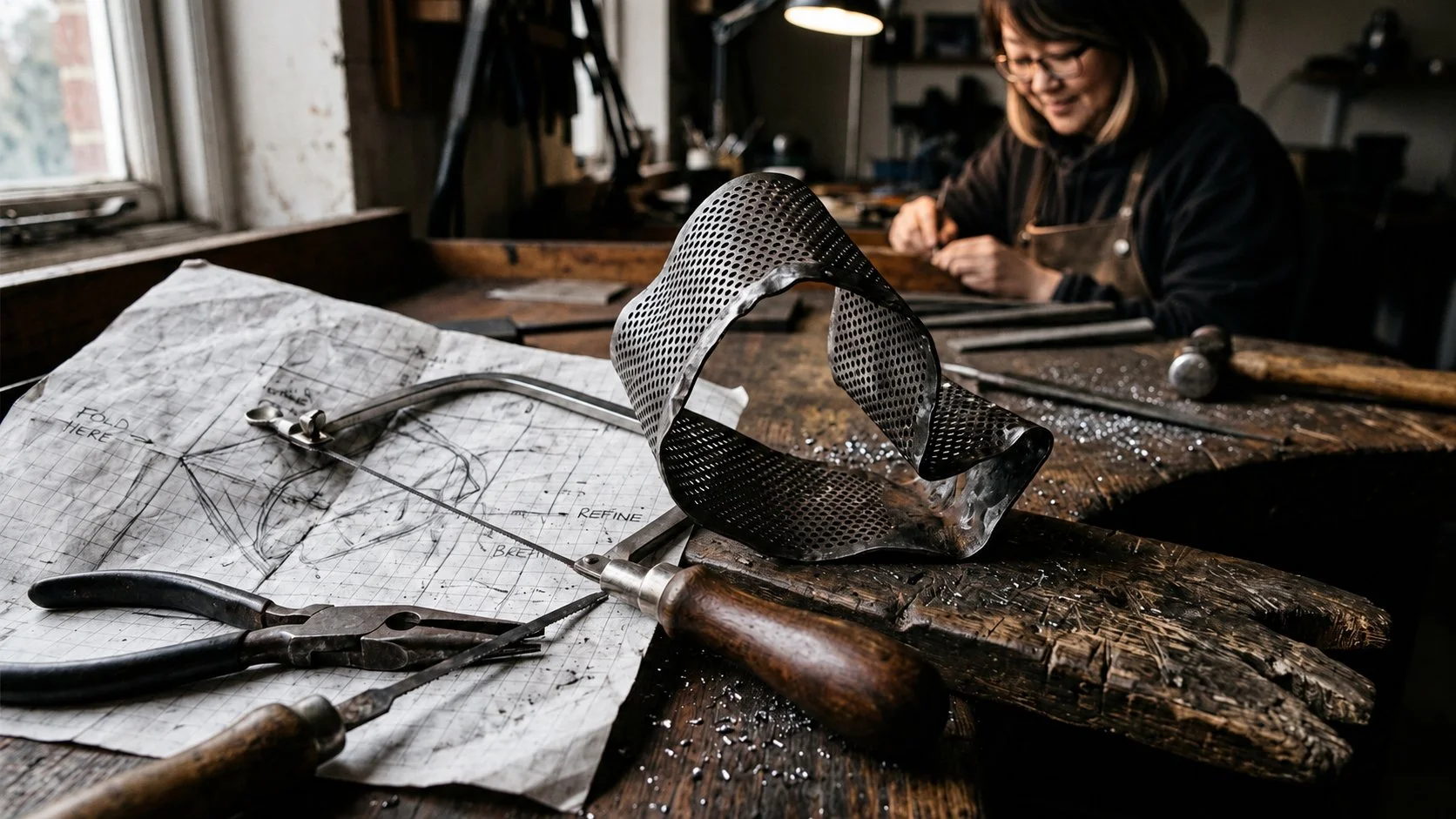
A photograph can show the surface of a piece, but it does not fully show how it was made. A prompt can describe a form, but it does not fully carry the knowledge of construction. AI can learn my visual language very quickly through the images I provide, but that is not the same as understanding my material knowledge.
This experience made me think about the difference between skill and craftsmanship.
Skill can sometimes be described as a technique. Craftsmanship is harder to explain. It is the judgement built through years of making: knowing what works, what does not work, what feels awkward, what can survive, what should be left alone, and when to stop.
I do not think AI can fully create what I have been creating.
Not because AI is useless, and not because my work is untouchable, but because my work is not only a style. It comes from seventeen years of making, testing, repairing, repeating, failing, deciding, and learning through materials.
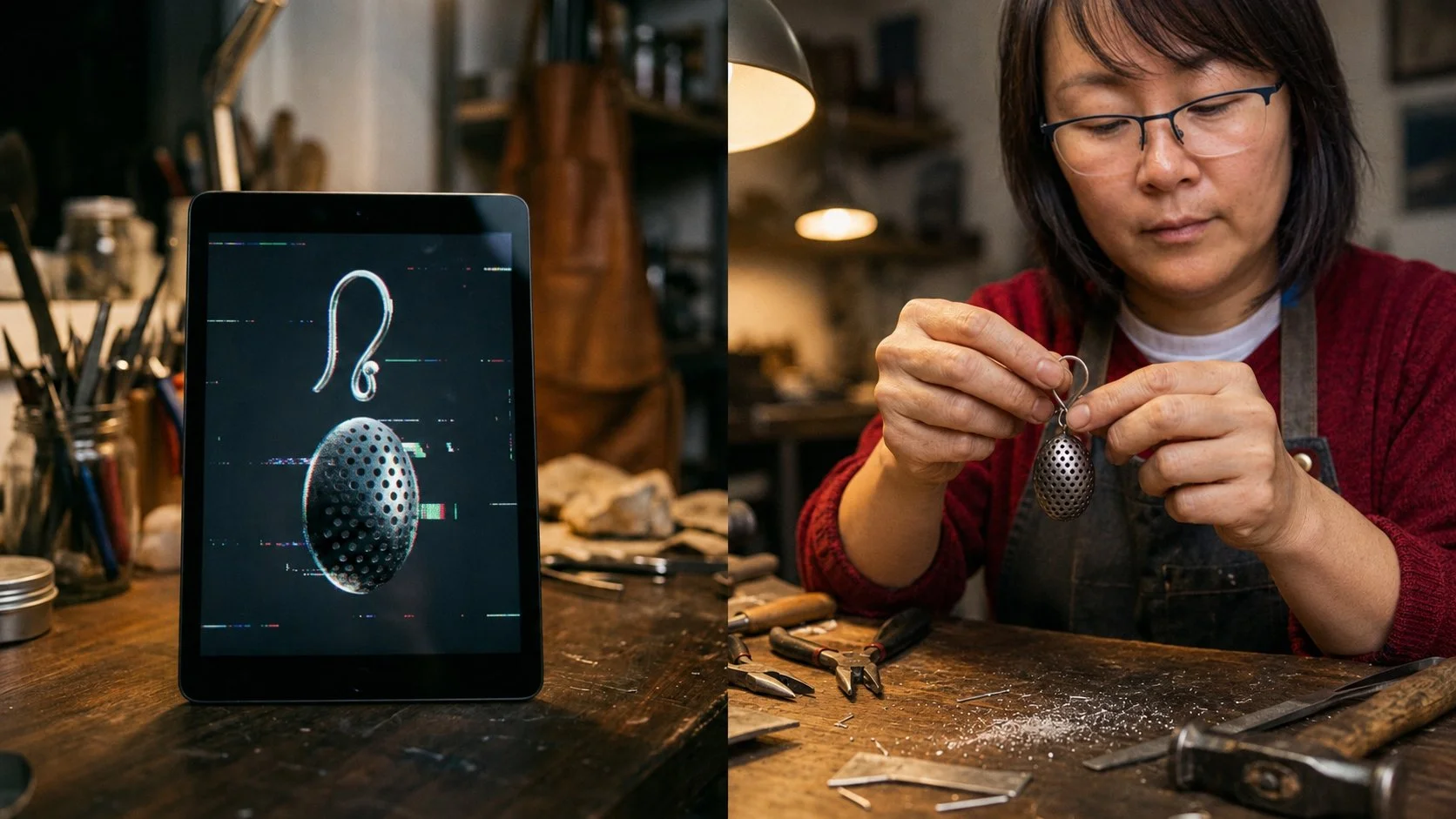
AI can help me see my work differently. It can help me write, organise, edit images, build an archive, and reflect on my practice. But it does not yet understand the specific experience of making.
It can read the image.
But it cannot yet feel what the hand knows.