Chapter 1–10: The Difference Between Using AI and Being Replaced by AI
When I began this project, the question I heard most often was:
"Aren't you worried AI will replace artists?"
It is a reasonable question, and one I asked myself before deciding to spend five months learning AI. After seventeen years of building my jewellery practice through materials, repetition and experience, I wondered whether a machine could one day make that knowledge irrelevant.
After months of using AI almost every day, I have reached a different conclusion.
The real question is not whether AI will replace artists. It is whether we stop doing the parts of our practice that make us artists in the first place.
AI is remarkably good at proofreading, organising information, analysing images, generating ideas and speeding up research. Throughout this project, it has helped me improve my English, organise seventeen years of records, analyse photographs of Melbourne's walls, edit images and plan my writing. It has saved me countless hours and made many difficult tasks achievable.
But efficiency is not creativity.
AI always waits for a human to begin. It cannot decide what is worth making or why an idea matters. Every prompt starts with a question, and that question still belongs to the artist.
My brooch series The City and Its Uncertain Walls illustrates this difference. AI did not decide to photograph hundreds of walls around Melbourne or connect them to migration, memory and belonging. Those ideas came from years of living, observing and reflecting. AI only became useful after the direction had already been established.
The biggest difference becomes even clearer at the jeweller's bench.
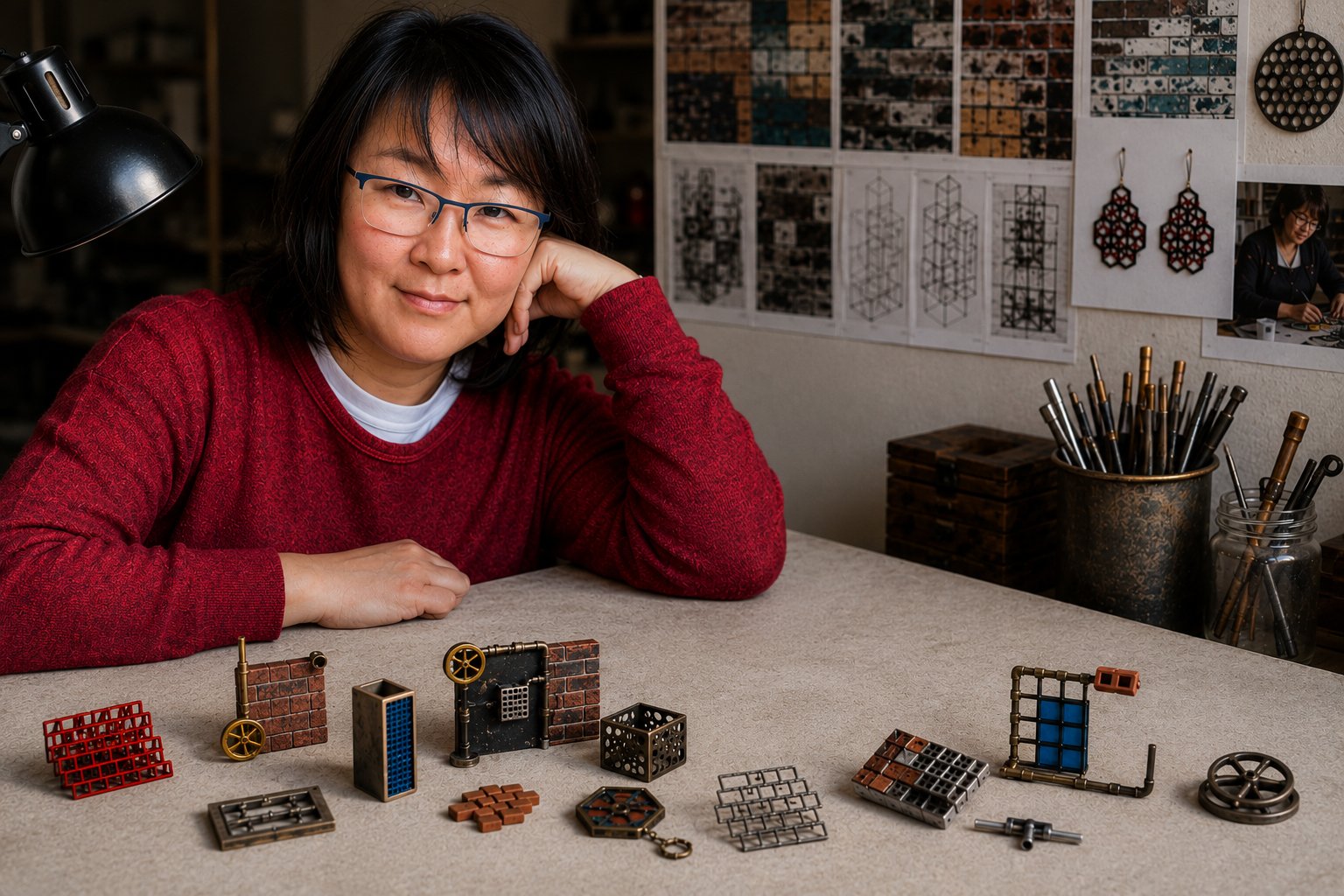
The Works so far for “The City and its uncertain walls”
Craft knowledge is embodied. After thousands of hours of making, I know how steel behaves under heat, how silver flows, and how a brooch will sit on the body. These decisions are difficult to explain because they have been learned through touch, repetition and experience.
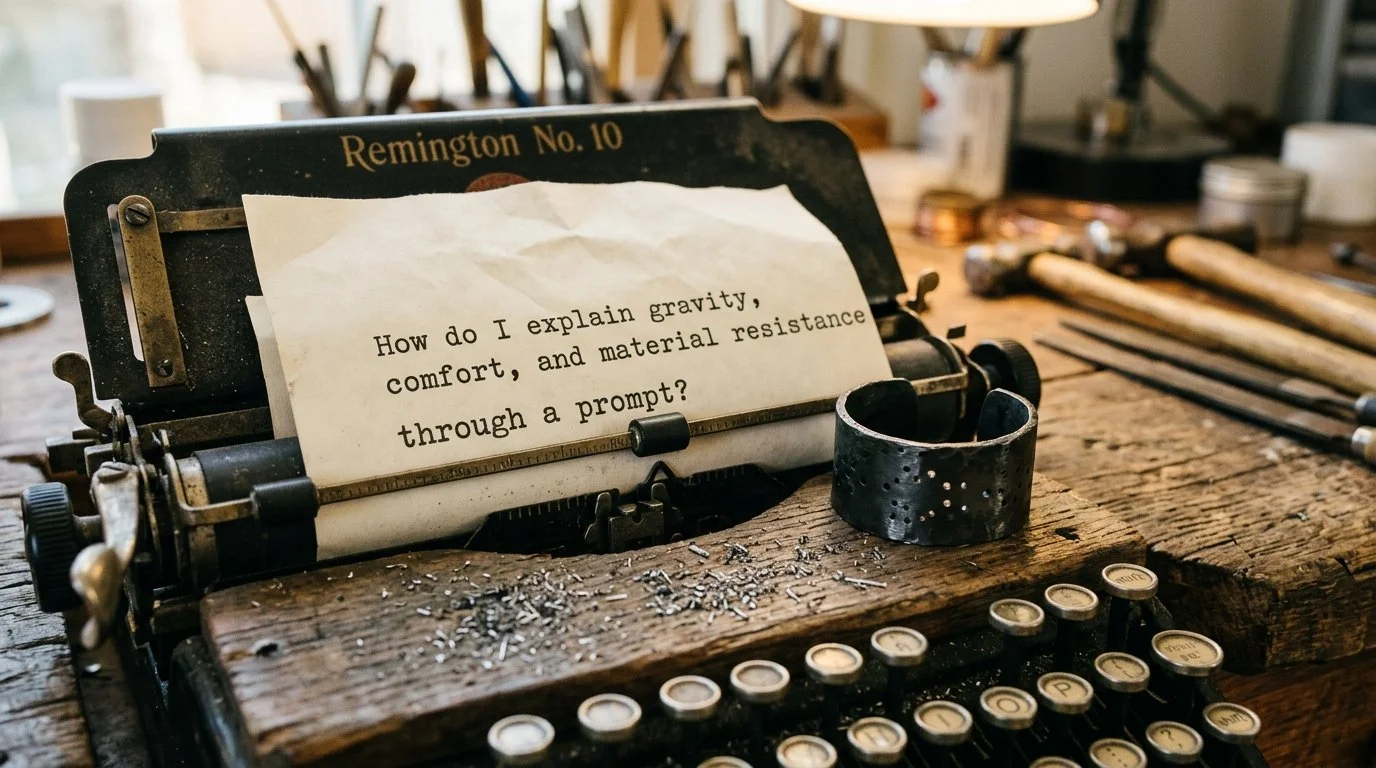
I discovered this whenever AI misunderstood my jewellery. It often misread earring hooks, ignored mechanisms or suggested forms that could never function as wearable objects. AI understands images and language, but it does not understand materials through experience.
Materials also resist us. Steel bends unexpectedly, solder refuses to flow, and mistakes become lessons. Every finished piece is shaped by this physical dialogue between the maker and the material. AI never experiences that resistance. It can regenerate another image instantly, but it never feels the weight, risk or patience required to make an object.
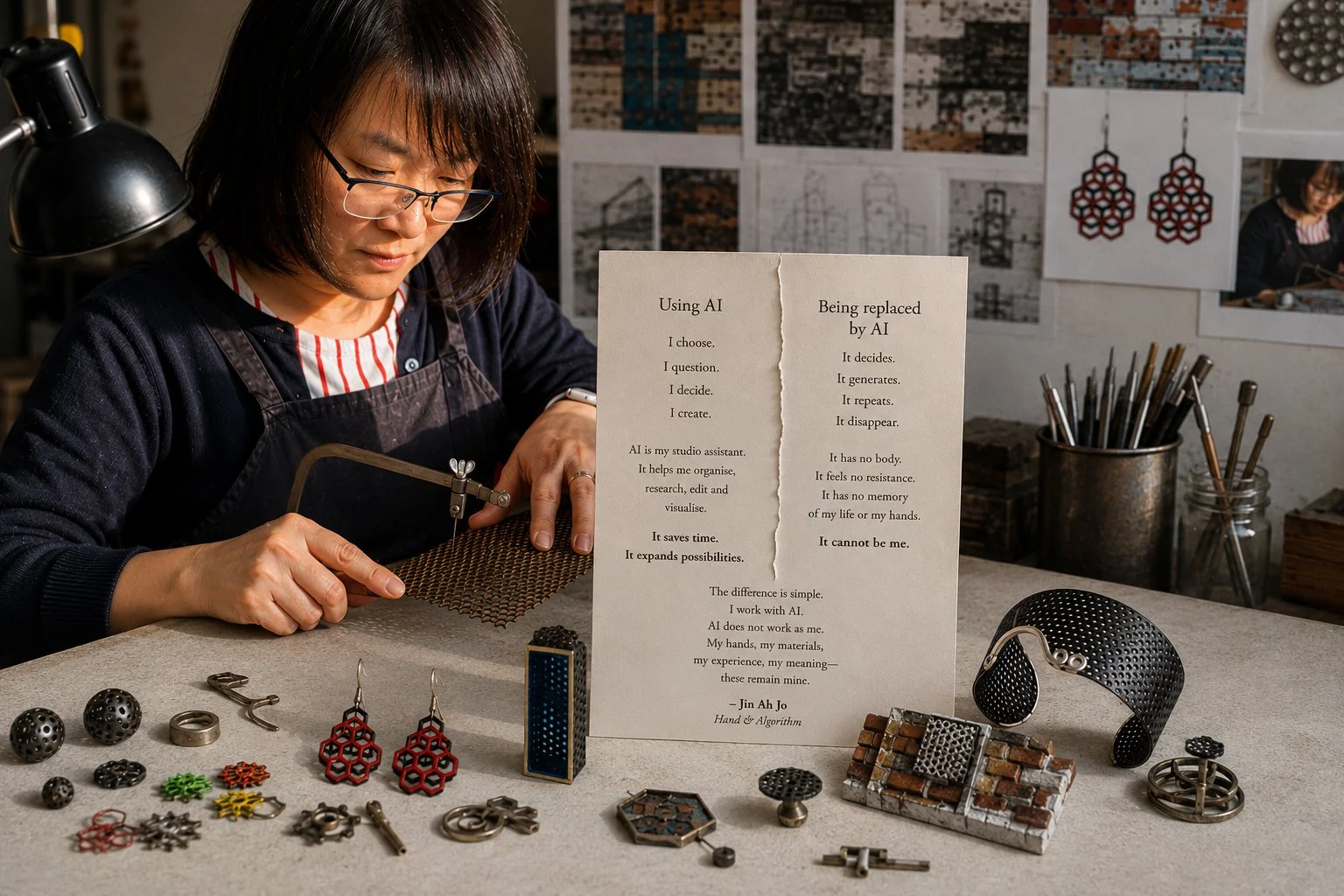
This does not make AI useless. On the contrary, I now see it as a studio assistant. It helps me organise, communicate, research and experiment more efficiently, allowing me to spend more time making.
What concerns me is something else.
The greatest risk is not that AI replaces artists, but that artists gradually stop observing, questioning and experimenting because AI can produce quick answers. When we outsource curiosity itself, we begin to lose something essential.
For me, this is the difference between using AI and being replaced by AI.
Using AI means choosing which tasks to delegate while remaining responsible for the ideas, judgement and making.
Being replaced by AI means giving away those responsibilities.
This project has not made me fear AI. Instead, it has helped me understand what only I can contribute.
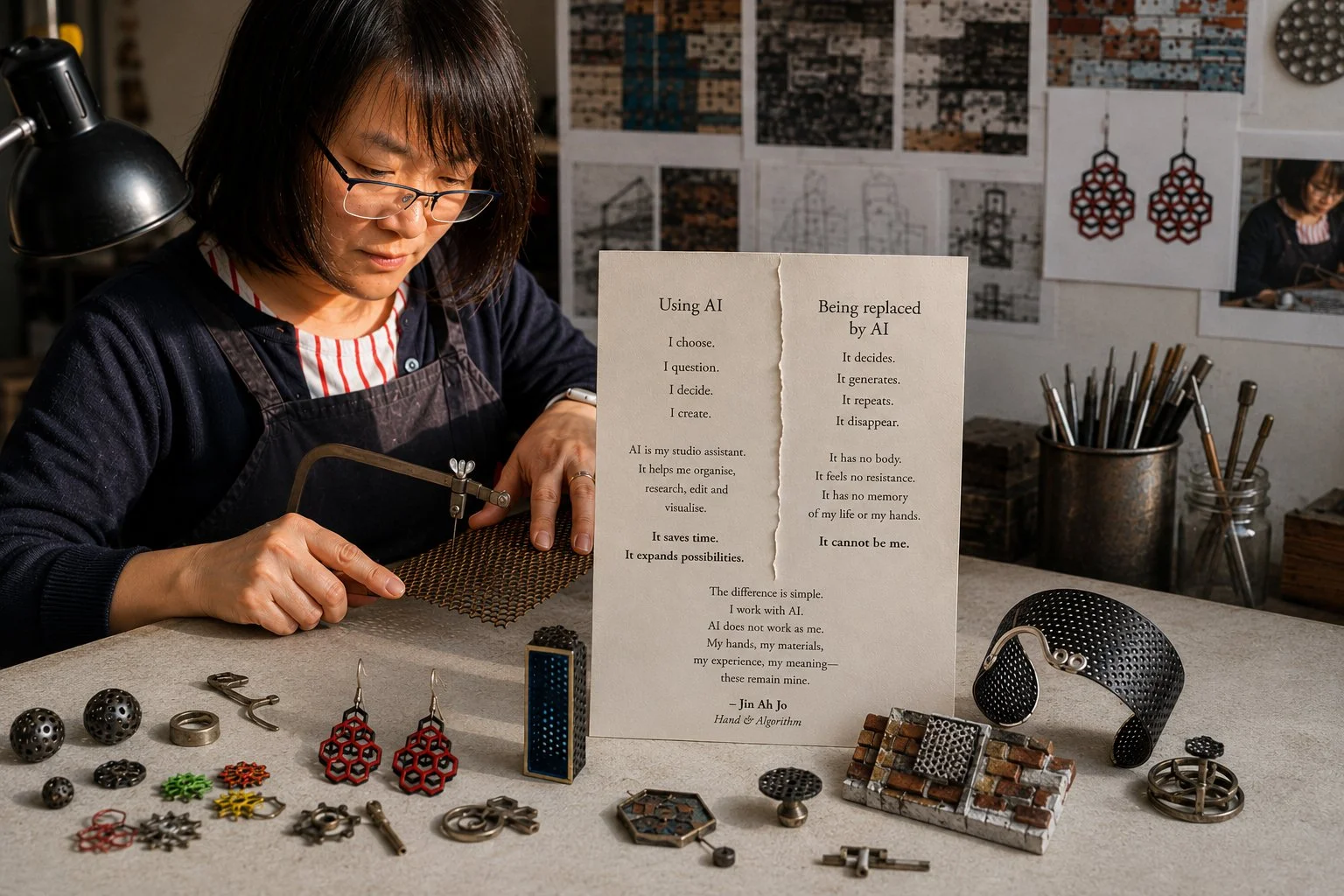
AI can assist my practice, but it cannot inherit seventeen years of material knowledge. It cannot feel the resistance of steel or understand why an ordinary wall in Melbourne becomes the beginning of a new body of work.
Those experiences remain with the maker.
Perhaps that is where the future of contemporary craft still lies—not in competing with AI, but in continuing to develop the qualities that only human hands, materials and lived experience can create.