Chap.1-7 : Learning AI as a New Way of Working
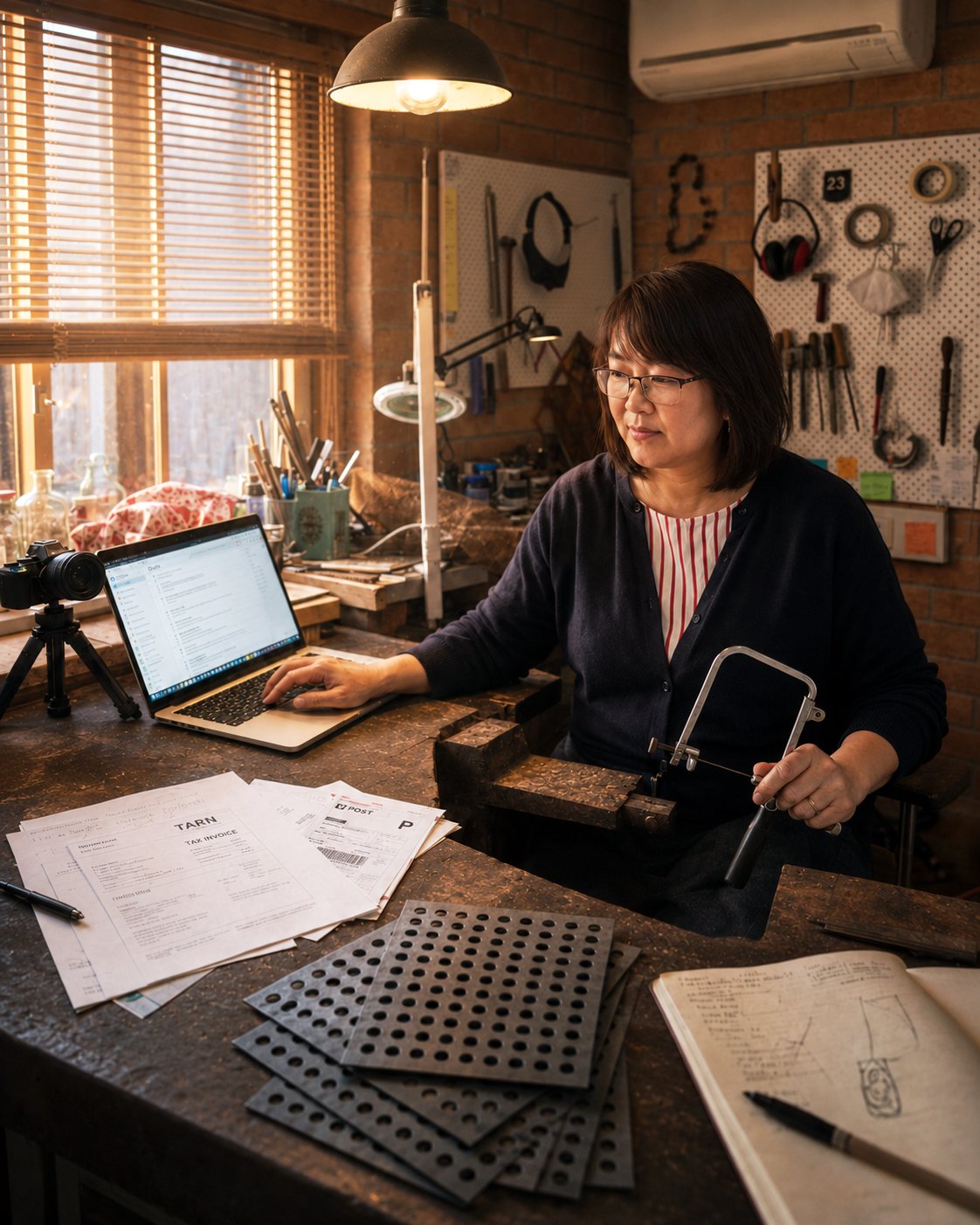
Me in the studio — an AI-generated image modified using my portrait and photographs of my actual workshop.
When I began Hand & Algorithm, I thought learning AI would mainly mean becoming familiar with a collection of new tools. Instead, I have started to understand AI as part of a much larger change in how we work, communicate and organise knowledge.
Through the Plus Human course, I encountered the idea of the “plus human”: a person whose existing abilities are extended through technology. The image is of someone with a second brain, multiple hands and rocket-powered feet.
For me, this does not mean replacing human ability. It means expanding what one person may be able to manage.
As an independent jeweller, I am responsible for almost every part of my practice. I design and make the jewellery, photograph it, write about it, communicate with galleries, promote the work, analyse sales, plan exhibitions and think about future projects.
Previously, I often saw these responsibilities as separate from my real studio work. Making jewellery was the creative practice, while writing, research, administration and promotion were simply tasks surrounding it.
AI has begun to change this perception. I now see that writing, archiving, analysing and communicating are also part of how a creative practice is developed and understood.
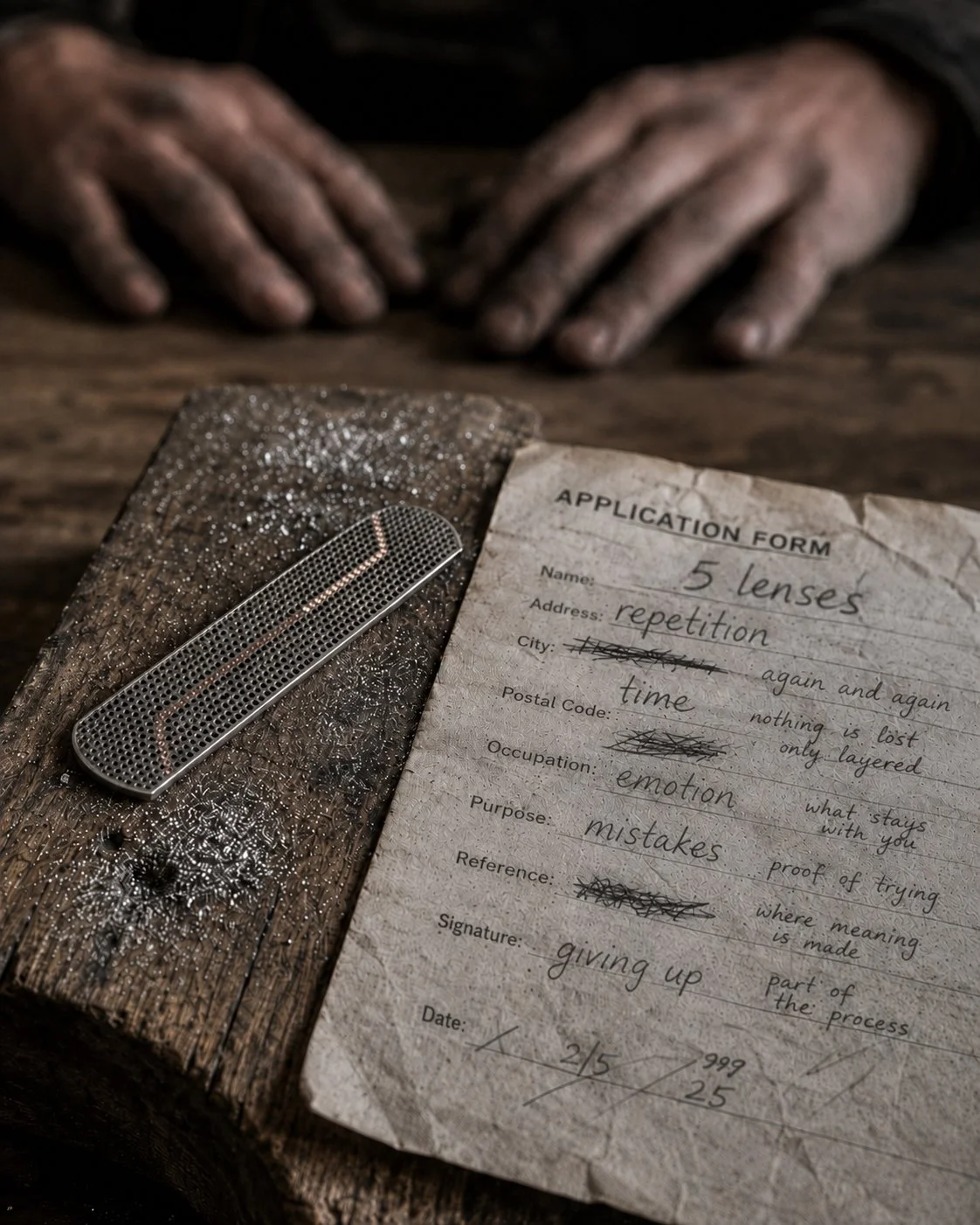
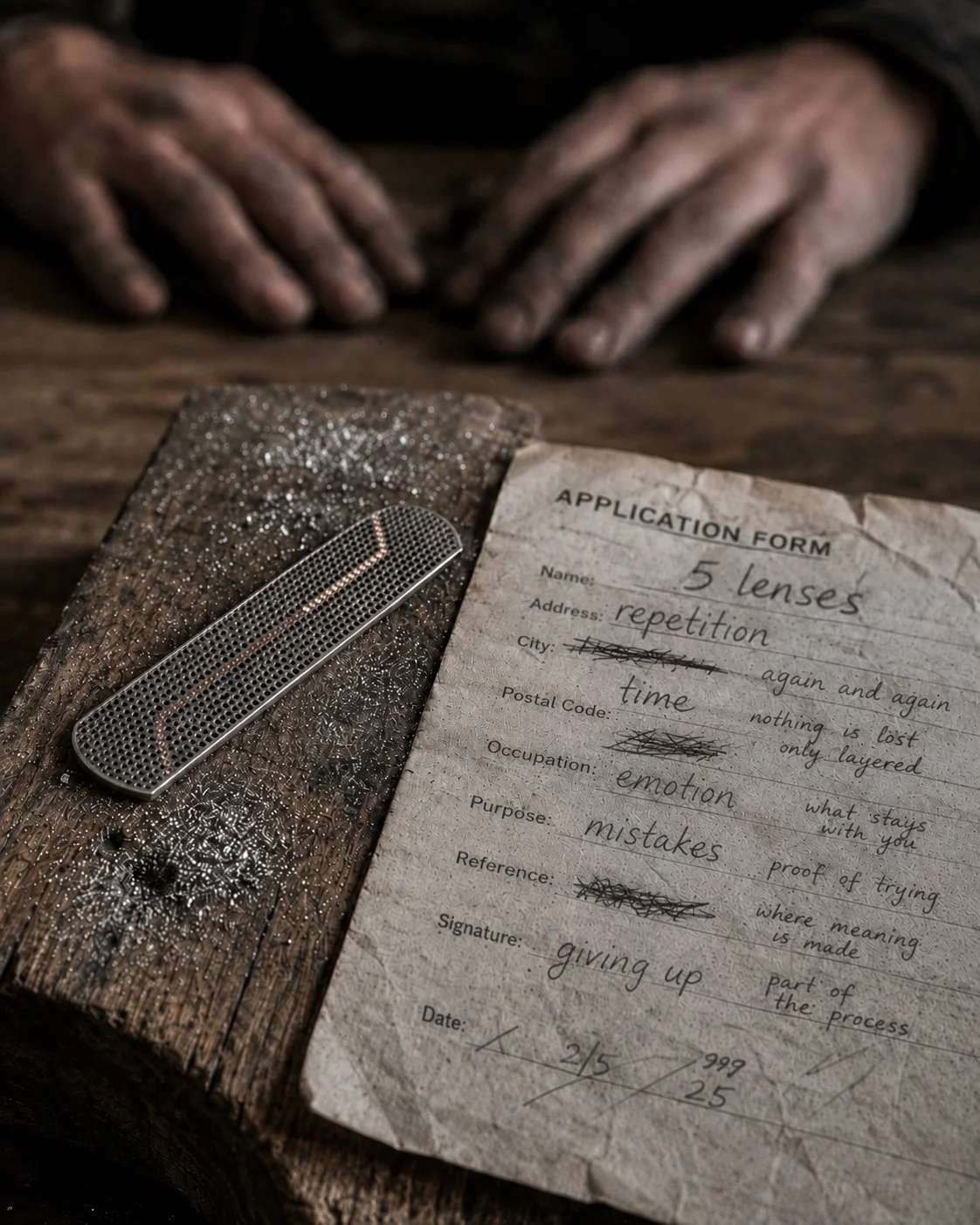
through 5 lenses.
Looking at My Practice Through Five Lenses
One useful method I learned was to examine my work through five lenses: repetition, time, emotion, mistakes and giving up.
The repetition lens asks what I do again and again. This may include writing similar captions, preparing product descriptions, answering emails or resizing photographs.
The time lens identifies work that takes longer than expected, such as researching a subject, analysing old sales records or organising years of images and documents.
The emotional lens looks at tasks that consume mental energy. Writing an important application or explaining my ideas clearly in English can sometimes feel more difficult than the task itself.
The mistake lens includes small errors that can create larger problems: incorrect dates, missing details, confusing information or email typos.
The final lens asks what I have given up on because it felt too difficult or unfamiliar. For me, this has included video production, business analysis, website development and systematically archiving seventeen years of work.
These five lenses helped me understand that I did not need to begin with a grand AI strategy. I could begin with the places where I regularly felt delayed, uncertain or overwhelmed.
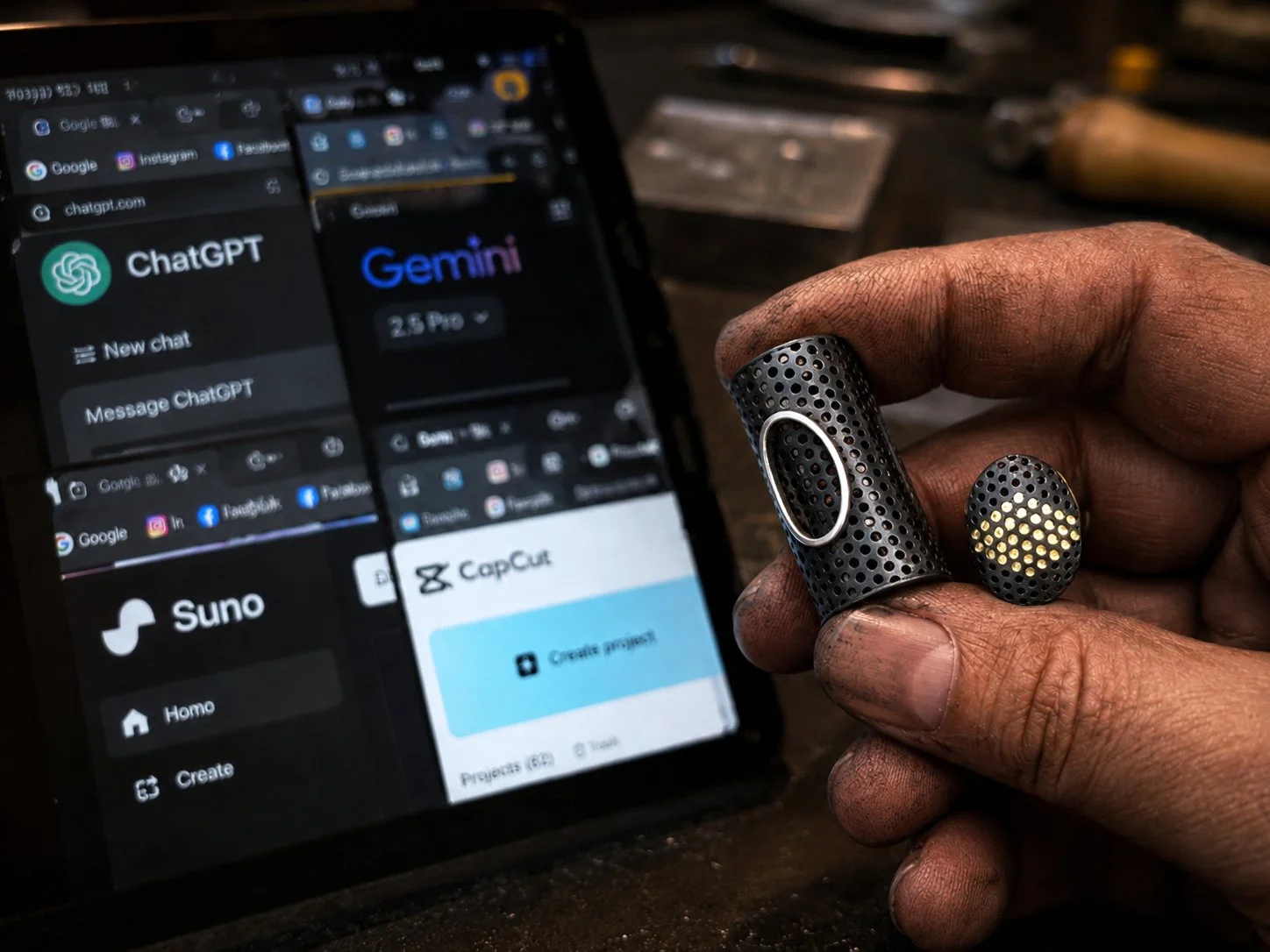
“The many digital platforms I have been exploring and using in my practice.
Learning With a Real Purpose
There are now so many AI platforms that the learning can easily become overwhelming. I have encountered ChatGPT, Gemini, NotebookLM, Notion, Google AI Studio, Flow, VREW, CapCut, Suno and many others.
My goal is not to master every program.
Instead, I keep returning to one question:
How can I apply what I have just learned to Jin Ah Jo Jewellery?
This question keeps my learning grounded in my actual practice.
I am not learning AI in isolation. I am testing it through the real needs, challenges and possibilities of an independent contemporary jeweller. Stay tuned for Part Two!